


Furnace Installation Checklist for Homeowners in Austin: Your Complete Guide to Preparation and Success
Furnace installation in Austin requires careful planning, local-code awareness, and clear day-of coordination to avoid delays, safety issues, and unexpected costs. This guide gives Austin homeowners a step-by-step furnace installation checklist that covers sizing and equipment selection, permit and inspection basics, home preparation for installation day, the installation process itself, and post-installation testing and maintenance. Many homeowners underestimate the importance of correct sizing (Manual J), proper venting and combustion-air provisions, and a contractor’s credentials—mistakes that can reduce efficiency and trigger safety concerns. The checklist that follows reduces those risks by outlining essential decisions, timelines, and practical actions you can complete before, during, and after installation. You’ll find numbered planning steps, homeowner-ready checklists for installation day, comparison tables for furnace types and maintenance intervals, and clear indicators of when to call a certified technician. Early in the process, if you want professional help, consider NATE-certified experts: Airsheen Services LLC (operating as Hans Energy Systems) is NATE-certified and offers HVAC installation, replacement, and maintenance services; they can schedule service appointments to discuss sizing, permits, and installation logistics. With this roadmap you’ll be prepared to manage permits, choose the right system for Austin’s climate, and verify safe commissioning after installation.
What Are the Essential Steps in Pre-Installation Planning for Your Austin Furnace?
Pre-installation planning defines which furnace type, size, and contractor you need and ensures permits and budgets are aligned before technicians arrive. Proper planning starts with a sizing calculation (Manual J) to match BTU capacity and AFUE rating to your home’s heat load, which preserves long-term efficiency and comfort. Choosing the right contractor includes checking licenses, certifications, and references while confirming insurance and permit handling, which reduces the chance of code violations and rework. Budgeting should factor equipment cost, potential ductwork repairs, permit fees, and a contingency allowance for unexpected issues discovered during removal. These planning steps prepare you for a smooth installation day and make contractor coordination and permit approval far easier.
How Do You Choose the Right Furnace Size and Type for Austin Homes?
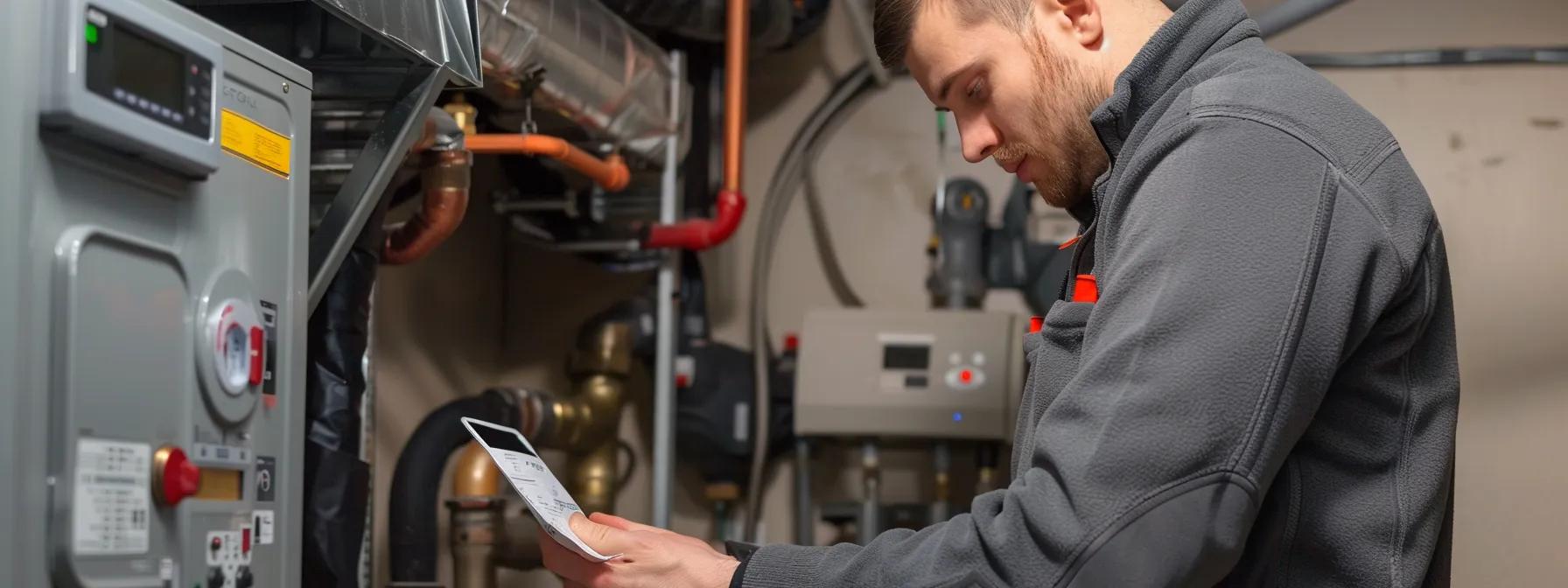
Choosing the right furnace size relies on a Manual J heat-load calculation that accounts for home square footage, insulation, window area, and Austin’s mild-winter climate; oversized units short-cycle, while undersized systems fail to meet demand. In practical terms, typical single-family Austin homes often fall into mid-range BTU capacities, but only a Manual J can confirm the correct BTU output and distribution needs. Fuel-type trade-offs include gas furnaces for higher output vs. electric or heat-pump options that may pair better with whole-home energy systems; AFUE ratings indicate seasonal efficiency and should be balanced against installation and operating costs. To avoid common mistakes, request a written Manual J from any contractor and compare AFUE and capacity rather than choosing solely by price.
Introductory comparison of common furnace types helps homeowners weigh lifespan, efficiency, and suitability; the table below condenses those attributes for easy comparison before you finalize selection.
What Permits and Local Regulations Must Austin Homeowners Know Before Installation?
Austin requires specific permits and inspections for furnace replacements and gas-line work to confirm code-compliant venting, combustion air, and safe gas connections; obtaining permits before work begins prevents shut-downs and rework. Permit timelines vary but typically include plan review and at least one inspection after installation; common inspection items are venting clearances, gas pressure tests, and final operational checks. To avoid delays, submit accurate equipment specifications, clear installation plans for venting and combustion air, and ensure your contractor is empowered to pull permits on your behalf. Understanding these requirements upfront helps you schedule installations around inspection windows and ensures final sign-off without surprises.
How Should Homeowners Prepare Their Austin Homes for Furnace Installation Day?
Preparing your home for installation day streamlines the technician workflow, protects possessions, and limits disruption to household routines. A well-prepared space gives technicians clear access to the furnace room, ductwork, and external venting points while minimizing cleanup and potential damage to floors or furniture. Homeowners should gather paperwork such as permit approvals, equipment spec sheets, and warranty documents, and prepare to confirm final choices and locations with the lead installer. Clear communication about pets, parking, and access reduces on-site delays and increases safety during removal and installation tasks.
What Areas Should Be Cleared and How to Secure Pets During Installation?
Before arrival, clear a minimum working area around the furnace and access pathways to allow safe movement of technicians and equipment; a good rule is to provide at least 3 feet of clearance in front and clear routes between the entrance and the unit. Protect floors and nearby furniture with drop cloths or cardboard, and move fragile items from the immediate workspace to avoid dust and accidental damage.
For pet safety, confine pets in a separate room or arrange off-site pet care for the day—this minimizes stress for animals and reduces technician interruptions. Inform technicians of any special access needs or security arrangements so they can bring appropriate protective coverings and coordinate with you on staging and cleanup.
To make the process frictionless, confirm where installers can park, where trash and old equipment will be staged, and who will be the point of contact for decisions during the job.
What Should You Expect on Installation Day: Timeline and Contractor Coordination?
A typical installation-day timeline begins with arrival and site assessment, followed by decommissioning and removal of the old unit, any necessary duct or gas-line modifications, installation of the new furnace, and final startup and testing; most straightforward replacements take several hours, while complex installs can span a day or more. Expect technicians to perform leak and pressure tests for gas lines, verify venting and combustion-air compliance, and complete thermostat wiring and commissioning as part of final checks. Effective homeowner coordination includes confirming the scope in writing before work begins, designating one decision-maker for on-site choices, and keeping permit paperwork accessible for inspectors. If utility company coordination or additional parts are required, the contractor should notify you promptly and outline any schedule impacts to avoid surprises.
What Are the Key Steps in the Furnace Installation Process for Austin Homes?
The installation process follows a clear sequence: decommission the old system, assess and repair ductwork, install the new furnace and connections (gas, electrical, venting), and complete commissioning with safety tests and thermostat setup. Each step has safety checkpoints—safe gas shutoff and capping during removal, careful duct sealing and insulation work to maintain airflow, proper venting to code, and electrical connections sized and protected. Certified technicians perform pressure and leak tests, combustion analysis where applicable, and measured airflow and temperature-rise checks to confirm correct operation. Understanding this sequence helps homeowners anticipate contractor needs, staging for disposal, and any possible extra work such as duct repairs or vent relocations that might change budget or timeline.
How Is the Old Furnace Removed and What Happens to Existing Ductwork?
Old furnace removal begins with disconnecting fuel and power, safely ventilating the workspace, and extracting the unit with care to avoid duct or floor damage; responsible contractors dispose of equipment per local regulations. Ductwork is inspected for leaks, insulation gaps, and sizing mismatches; technicians will document where ducts should be sealed, insulated, or replaced to ensure system efficiency and correct airflow. When ducts are in good condition and properly sized, reuse is common and cost-effective, but heavily damaged or undersized ducts often warrant replacement to realize full efficiency gains from a new furnace. A thorough pre-installation duct assessment prevents repeated service calls and supports long-term comfort and energy savings.
How Are Gas Lines, Ventilation, and Thermostat Connections Handled Safely?
Licensed technicians following code perform gas-line modifications, pressure testing, and leak detection using calibrated tools and established protocols to ensure safety and compliance. Venting requires correct materials, slopes, and clearances to prevent backdrafting and to manage combustion gases; combustion-air provisions must also meet code to ensure safe combustion. Thermostat wiring and control integration include verifying compatible control signals, incorporating zoning or smart controls where specified, and performing commissioning to confirm setpoints, cycles, and sensor readings. These safety-focused steps — gas testing, proper venting, and correct control wiring — are essential to protect occupants and validate inspection sign-offs.
What Post-Installation Checks and Maintenance Should Austin Homeowners Perform?
After installation, homeowners should verify proper startup, record warranty and installation documentation, and follow a maintenance schedule that preserves efficiency and reduces repair risk. Immediate checks include ensuring the thermostat is communicating correctly, listening for unusual noises, and confirming consistent temperature rise across supply and return registers. Documentation should include the equipment model and serial numbers, commissioning readings, and any permit or inspection receipts; store these together for warranty registration and future service. Ongoing maintenance—filter replacement, annual tune-ups, and CO-detector checks—extends equipment life and maintains AFUE performance year-to-year.
How Do You Test and Start Up Your New Furnace for Optimal Performance?
Startup begins with a visual inspection of connections, verifying filter presence and correct filter size, and confirming thermostat settings and power availability; technicians then run through an operational checklist that includes ignition testing, airflow measurement, and temperature-rise verification. Performance benchmarks include an expected temperature rise across the heat exchanger and steady, quiet operation without short-cycling; deviations from benchmark readings typically trigger focused troubleshooting such as duct sealing or combustion adjustment. Homeowners can run simple checks—verify supply registers warm within expected time and test multiple zones if applicable—and report any anomalies promptly to the installer. Proper commissioning ensures safety, optimized efficiency, and reduces the likelihood of premature service visits.
Before the maintenance table below, note recommended intervals and who should perform them so you can create a calendar for care and warranty compliance.
What Are the Recommended Maintenance Tips and Warranty Details?
Regular maintenance includes filter management, clearing vents, keeping the furnace area free of combustibles, and scheduling annual professional tune-ups to check combustion efficiency and safety systems. Warranties typically require documented maintenance to remain valid; record each service visit, retain receipts, and register equipment per manufacturer instructions to preserve coverage. For homeowners who prefer professional maintenance plans, scheduling a tune-up with a certified HVAC provider ensures that technicians verify pressure tests, venting, and system commissioning annually. If you want assistance with maintenance scheduling, professional providers that offer maintenance and warranty-support services can set recurring appointments to keep records updated and the system protected.
To help homeowners maintain compliance and performance, consider setting calendar reminders tied to seasonal transitions and confirming maintenance after heavy-use periods.
What Are the Most Common Questions Austin Homeowners Have About Furnace Installation?
Austin homeowners typically ask about installation timeframes, cost drivers, safety for combustion appliances, and local permit requirements; concise answers reduce confusion and help set realistic expectations. Timeframes depend on scope: straightforward replacements with no duct or gas changes are fastest, while jobs with duct replacement, vent relocation, or new gas piping add time. Cost drivers include equipment AFUE, ductwork condition, and permit/inspection requirements; planning ahead for potential duct repairs avoids mid-job budget surprises. Safety questions focus on carbon monoxide risks, detector placement, and how technicians verify leak-free gas connections during commissioning.
How Long Does a Typical Furnace Installation Take in Austin?
A standard furnace replacement without major duct or gas-line work commonly completes in one workday, while complex installs that add duct modifications, vent relocations, or structural access can take two or more days. Permit turnaround and inspection scheduling also affect start-to-finish time, so factor in local inspection windows when booking an installer. Delays often stem from unexpected duct conditions or the need for additional parts; mitigate these by arranging a pre-installation site assessment and confirming that the contractor can obtain required permits. Communicating contingency expectations with your installer reduces frustration if the project scope grows.
What Are the Safety Precautions for Carbon Monoxide and Gas Leak Risks?
Carbon monoxide safety begins with correctly placed CO detectors—inside each sleeping area and on every level—and monthly detector tests to ensure operation; detectors are an essential backup to properly installed combustion appliances. Recognize gas-leak signs such as a rotten-egg odor, hissing sounds near lines, or sudden changes in pilot or burner behavior; if a leak is suspected, evacuate, ventilate, and notify qualified professionals immediately. During installation, technicians perform gas pressure tests, leak detection with calibrated tools, and combustion analysis where applicable to verify safe operation before leaving the site. Maintaining clear documentation of these safety tests helps homeowners and inspectors confirm that the system meets safety standards.
What Energy Efficiency Advantages Do Professional Installations Provide in Austin?
Professional installations deliver efficiency gains by ensuring correct sizing, sealed and insulated ductwork, accurate combustion tuning, and proper system commissioning, often improving operational efficiency by measurable percentages compared with poorly installed systems. In Austin’s climate, correct installation maximizes seasonal efficiency, reduces runtime during milder nights, and improves humidity and comfort control when paired with appropriate controls or heat-pump hybrids. Over time, these improvements lower monthly operating costs and extend equipment lifespan, while documented commissioning supports warranty compliance. Hiring a certified installer helps translate rated AFUE into real-world savings through precise installation practices and ongoing maintenance planning.
- Plan before you buy: Get a Manual J, compare AFUE and type, and budget for ductwork and permits.
- Prepare your home: Clear access, secure pets, and gather permit paperwork to speed installation.
- Verify safety checks: Ensure gas pressure tests, venting clearances, and CO-detector placement are completed.
- Schedule maintenance: Plan annual tune-ups and filter changes to protect efficiency and warranty coverage.
These action steps complete the homeowner checklist and make installation day predictable and safe.
Why Choose NATE-Certified Experts Like Airsheen Services LLC for Your Austin Furnace Installation?
NATE certification signals that technicians have passed industry-standard competency exams demonstrating knowledge of installation best practices, safety protocols, and system commissioning—factors that reduce callbacks and improve long-term performance. Hiring NATE-certified professionals increases the likelihood of accurate Manual J sizing, correct venting and gas-line work, and thorough commissioning that preserves AFUE performance and warranty validity. As an example of a certified provider, Airsheen Services LLC (operating as Hans Energy Systems) is NATE-certified and offers HVAC installation, replacement, and maintenance services, and their team’s credentials illustrate the value of verified training when selecting a contractor. For homeowners who want professional support, scheduling a service appointment with a NATE-certified provider can streamline permitting, ensure compliant installation, and provide maintenance options that protect your investment.
Recent Posts
Customer Testimonials