




Heat Pump Installation in The Hills, TX
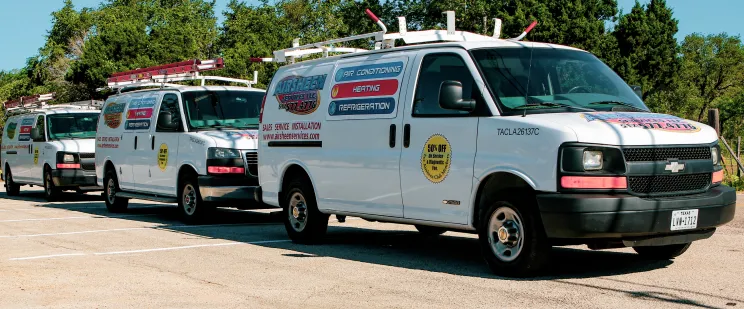
Inconsistent Temperatures and Rising Energy Costs in Your Home?
Facing inconsistent heating or worrying that your old unit might fail right before the intense Texas summer heat or a sudden winter freeze hits? Homeowners in The Hills need reliable climate control that can handle drastic temperature shifts without causing energy bills to skyrocket. Call us to inquire about our financing options or schedule a comprehensive system assessment today.
- Expert installation from certified professionals: Our team ensures your system is sized correctly and installed to manufacturer specifications for year-round comfort.
- Energy-efficient heat pumps: We deploy modern systems designed to lower monthly utility costs through superior SEER2 and HSPF2 ratings.
- 24/7 service availability: You gain access to round-the-clock support for emergency repairs and ongoing maintenance needs.
Airsheen Services LLC ensures all installations conform to local building codes, offering extended warranty options to provide long-term peace of mind for your investment.
Current Standards for Residential Heat Pump Systems
When you schedule an installation service today, you are moving away from outdated HVAC technology toward a dual-purpose system designed for the specific climate challenges of Texas. A heat pump acts as both your air conditioner and your heater, streamlining your home’s mechanical footprint. The installation process involves more than simply swapping boxes; it requires a detailed analysis of your home's thermal properties to ensure the equipment operates at peak efficiency.
Modern heat pump systems currently available offer significant advancements over models from just a decade ago. You will likely see options featuring variable-speed compressors and variable-speed air handlers. Unlike older single-stage systems that blast air at full capacity until the thermostat is satisfied, these modern units ramp up and down to match the exact heating or cooling load required. This results in quieter operation, better humidity control, and significantly lower electricity usage.
The scope of a standard installation generally includes the removal and environmentally safe disposal of your existing condenser and air handler (or furnace). We also address the peripheral components that ensure the longevity of the new system. This includes upgrading the thermostat to a communicating interface that can manage complex staging, replacing the refrigerant line set if the sizing or condition of the old copper is compromised, and installing a new auxiliary heating strip for those rare days when temperatures in The Hills drop below freezing.
Timeline expectations are straightforward. Once the equipment is selected and permits are secured, the physical installation typically takes one to two days. We prioritize minimizing disruption to your daily routine, ensuring that floor protection is used and the workspace is cleared at the end of each day. You receive a turnkey solution where the system is fully tested, charged, and calibrated before we consider the job complete.

The Heat Pump Installation Process
Installing a heat pump is a technical procedure that requires adherence to strict protocols to ensure the warranty remains valid and the system operates efficiently. We follow a rigorous workflow to guarantee every component functions correctly — view recent projects.
Load Calculation and Sizing:
- Before any equipment is ordered, we perform a Manual J load calculation.
- This process measures windows, insulation levels, square footage, and orientation to determine exactly how many BTUs your home requires.
- Oversized units cycle too frequently, failing to dehumidify, while undersized units run constantly without reaching the set temperature.
Site Preparation and Removal:
- Technicians disconnect electrical power and safely recover any existing refrigerant from the old unit to prevent atmospheric venting.
- The old equipment is removed, and the installation pad is leveled or replaced to ensure the new outdoor unit sits stable and off the ground.
- Indoor workspaces are prepped with drop cloths to protect flooring during the exchange of the air handler.
Ductwork Inspection and Modification:
- The best heat pump cannot compensate for leaking or collapsed ducts.
- We inspect the plenum and accessible ductwork to ensure it can handle the airflow of the new system.
- Modifications are made to the supply and return transitions to ensure an airtight seal, preventing conditioned air from escaping into the attic or crawlspace.
Equipment Setting and Connection:
- The indoor air handler and outdoor condenser are set in place.
- Refrigerant lines (the copper pipes connecting the two units) are routed, brazed using nitrogen purging to prevent oxidation inside the pipes, and pressure-tested.
- Electrical connections are established, including high-voltage wiring for power and low-voltage wiring for the thermostat and control board.
Vacuum and Charging:
- A vacuum pump is used to remove moisture and non-condensables from the refrigerant lines down to 500 microns.
- The system is charged with the precise amount of refrigerant required by the manufacturer, adjusting for the length of the line set.
Final Commissioning:
- We test the system in both heating and cooling modes.
- Static pressure is measured to verify airflow is unrestricted.
- The thermostat is programmed to your preferences, and the auxiliary heat is tested to ensure it engages correctly during emergency heat mode.
Determining When to Replace vs. Repair Your Unit
Deciding between repairing an aging system or investing in a new heat pump is a financial and logical calculation. While repairs can extend the life of a unit, there is a point of diminishing returns where a new installation becomes the smarter economic choice.
Equipment Age:
- Heat pumps in our region typically last between 10 to 15 years, depending on maintenance history.
- If your unit is over 10 years old and requires a significant repair, investing that money into a new system resets your warranty coverage and eliminates the risk of another breakdown soon after.
Frequency of Breakdowns:
- "Nickel and diming" can be more expensive than a monthly finance payment for a new unit.
- If you have required multiple service calls in the last two years, the system is demonstrating reliability issues that are unlikely to improve.
Rising Energy Bills:
- As internal components wear, motors and compressors draw more amperage to do the same amount of work.
- If your energy usage has increased year-over-year despite similar weather patterns, the system has lost efficiency. Airsheen Services LLC can calculate the potential ROI of upgrading to a high-SEER system versus keeping the old unit running.
Comfort Issues:
- If certain rooms are never comfortable, or the humidity inside the house feels high even when the AC is running, the current system may be improperly sized or failing to remove moisture effectively.
- New systems offer superior dehumidification capabilities which are essential for indoor air quality and comfort.
Local Considerations for The Hills, TX
Operating a heat pump in The Hills requires specific attention to local climate data and regulatory requirements. This region experiences a specific weather profile characterized by hot summers where highs reach the upper 90s °F and mild winters with lows averaging in the 30s °F. This makes a heat pump the ideal mechanical solution because it can efficiently move heat rather than create it, handling both extremes effectively.
Seasonal Installation Windows:
- Spring and Fall are the optimal times for installation due to moderate temperatures.
- During these shoulder seasons, attic temperatures are manageable for technicians, allowing for more thorough ductwork inspections without the safety risks of extreme heat.
- Scheduling during these times also avoids the peak wait times associated with mid-summer emergencies.
Permitting and Inspections:
- Installations in The Hills generally require a mechanical permit to ensure compliance with safety codes.
- This includes verifying proper electrical breaker sizing, disconnect access, and condensate drain management.
- We handle the permitting process, ensuring the installation passes any necessary municipal inspections.
Electrical Infrastructure:
- Heat pumps, particularly those with electric resistance backup heat, have specific amperage requirements.
- We verify your main electrical panel has the capacity to support the startup and running amps of the new equipment.
- In older homes, this may require a breaker upgrade or wire run replacement to meet current National Electrical Code (NEC) standards.
Utility Rebates and Incentives:
- Local utility providers, such as Austin Energy, often offer rebates for upgrading to high-efficiency heat pump systems.
- Federal tax credits under the Inflation Reduction Act may also apply for heat pumps that meet specific SEER2 and HSPF2 benchmarks.
- We provide the necessary documentation to help you claim any available financial incentives.
Why Professional Installation Matters
The performance of a heat pump is more dependent on the quality of the installation than the brand of the equipment. A top-tier unit installed poorly will fail prematurely and consume excessive energy, while a mid-range unit installed perfectly will provide years of reliable service.
We focus on the technical details that impact longevity. This includes proper nitrogen brazing to keep the refrigerant system clean, precise leveling to protect compressor bearings, and accurate airflow tuning. Many efficiency issues are traced back to improper refrigerant charge or restricted airflow. Our technicians utilize digital gauges and airflow hoods to dial in these parameters to the decimal point.
Furthermore, we ensure that the transition to the new system is seamless. This involves configuring the thermostat correctly for the specific staging of the heat pump. Improper wiring can cause the expensive auxiliary heat strips to run simultaneously with the cooling cycle or engage too early in heating mode, destroying efficiency. We verify control logic to ensure the heat pump is the primary heating source, utilizing the backup strips only when absolutely necessary.
By choosing a professional service, you also secure the manufacturer’s warranty. Most major HVAC manufacturers require proof of installation by a licensed contractor to honor parts warranties — read our testimonials. We register your equipment immediately following installation, ensuring you have full coverage for the compressor and parts for the designated term.
Ready to Upgrade Your Home Comfort?
Don't wait for your system to fail during a heatwave or a freeze. Secure a reliable, energy-efficient heat pump installation that lowers your bills and improves your indoor environment.
Contact us today to schedule your consultation and system assessment.
Call us today or fill out our online form to schedule your heat pump installation in The Hills, TX.
Customer Testimonials