




Heat Pump Installation in Lakeway, TX
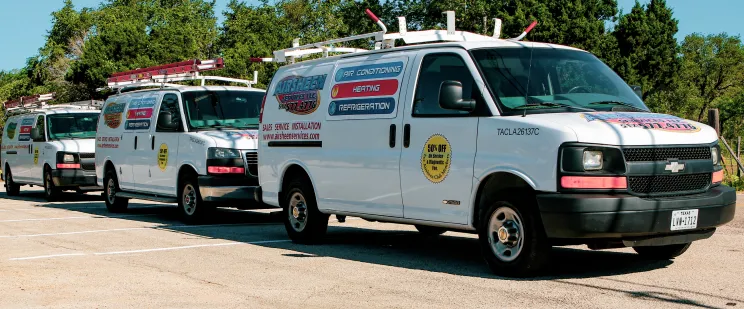
Swift and Reliable Heat Pump Installations
Dealing with the intense Texas heat or an unexpected chilly spell can be demanding when your HVAC system isn't performing up to standard. Ensure your home remains comfortable year-round with a professional, energy-efficient heat pump installation. Contact us today or apply for financing to secure your installation date.
- Efficient same-day installation options to minimize disruption to your daily routine.
- Enhanced home comfort and reduced energy bills through modern, high-efficiency technology.
- Access to local rebates and financing plans to make necessary upgrades affordable.
All installations are covered with a full warranty and are fully compliant with local building codes.
What Is Included in Your Installation Package?
When you invest in a new climate control system for your home in Lakeway, you are purchasing more than just a piece of equipment; you are securing a comprehensive solution designed for long-term performance. A heat pump is a dual-function system, providing cooling during the scorching Texas summers and heating during the milder winters. This versatility makes it an ideal choice for this region, eliminating the need for separate furnace and air conditioning units.
A professional installation package covers every aspect of the transition from your old unit to the new system. This process begins with a load calculation. Every home has a unique thermal footprint determined by square footage, insulation levels, window placement, and orientation toward the sun. Installing a unit that is too large causes "short cycling," which wears out components faster and fails to dehumidify the air. A unit that is too small will run continuously without ever reaching the set temperature. Correct sizing is the foundation of efficiency.
The scope of work generally includes the removal and environmentally safe disposal of your existing equipment. Refrigerant from old units must be reclaimed according to EPA standards, not vented into the atmosphere. Once the site is cleared, the installation team prepares the pad for the outdoor condenser and modifies the indoor plenum to fit the new air handler.
Your installation also includes the critical integration of the new system with your home’s infrastructure. This involves connecting high-voltage electrical lines, low-voltage control wiring for the thermostat, and the copper refrigerant lines that connect the indoor and outdoor units. A vital part of this package is the installation of a secondary drain pan and safety switches, which prevent water damage to your ceilings or floors in the event of a condensate blockage.

Simple Steps to Your Heat Pump Installation
Understanding the workflow of an installation day helps homeowners prepare and ensures the process moves smoothly. We prioritize a structured approach to ensure no detail is overlooked.
- Site Assessment and System Selection
The process starts with a technical evaluation of your current ductwork and electrical capacity. Technicians ensure your electrical panel can handle the amperage requirements of modern high-efficiency heat pumps. Based on this assessment, you select a model that aligns with your budget and energy goals, often looking for high SEER2 (Seasonal Energy Efficiency Ratio) and HSPF2 (Heating Seasonal Performance Factor) ratings.
- Safety and Site Protection
On the day of installation, the crew prepares the workspace. This includes laying down drop cloths to protect flooring and ensuring clear access to the attic, closet, or crawlspace where the indoor unit is housed. Safety breakers are turned off to ensure a hazard-free environment during the electrical work.
- Removal of Existing Equipment
The old condenser and air handler are disconnected. This step involves carefully cutting refrigerant lines and disconnecting electrical whips. The crew hauls away the old equipment, ensuring your property is kept clean and free of debris.
- Positioning and Connection
The new outdoor unit is leveled on a composite pad to prevent vibration and noise. Inside, the air handler is secured and sealed to the existing ductwork to prevent air leakage. The refrigerant lines are brazed—a process of welding copper pipes—while flowing nitrogen through the lines to prevent oxidation and future blockages in the system.
- Vacuum Testing and Charging
Before the system is turned on, technicians perform a deep vacuum decay test. This removes all moisture and air from the refrigerant lines, which is critical for the longevity of the compressor. Once the vacuum holds, the system is charged with the precise amount of refrigerant required by the manufacturer.
- Final Commissioning
The system is powered up and tested in both heating and cooling modes. Technicians measure static pressure, airflow, and temperature splits to verify the system is operating at peak efficiency. The thermostat is programmed, and you are walked through its operation.
Deciding Between Heat Pump Replacement and Repair
Homeowners often face the difficult choice between repairing an aging system or investing in a replacement. While repairs can offer a short-term fix, there is a financial tipping point where replacement becomes the more prudent financial decision.
- System Age and Reliability
Heat pumps in the Lakeway area typically last between 10 to 15 years due to the heavy workload required by the climate. If your system is over 10 years old and requires a major repair, it is likely nearing the end of its service life. Continuing to repair it may result in a "money pit" scenario where components fail one after another.
- Refrigerant Compatibility
Older systems often utilize R-22 refrigerant, which has been phased out and is now prohibitively expensive to acquire. Modern systems use R-410A or newer, more environmentally friendly refrigerants. If your old unit leaks R-22, the cost of the refrigerant alone can sometimes exceed the monthly payment on a financing plan for a new system.
- Energy Efficiency Gains
Heat pump technology has advanced rapidly. A system installed 12 years ago likely has a SEER rating of 10 or 12. Modern systems start at 14.3 SEER2 and can go much higher. Replacing a low-efficiency unit with a modern, high-efficiency model can reduce cooling costs by 20% to 40% immediately. These savings essentially subsidize the monthly cost of the new installation.
At Airsheen Services LLC, we provide transparent assessments to help you weigh the cost of immediate repairs against the long-term savings of a new installation.
Navigating Local Guidelines and Rebate Options
Installing a heat pump requires adherence to specific regulations and offers opportunities for financial incentives that vary by location. In the Lakeway area, compliance and incentives play a major role in the decision-making process.
- Permitting and Inspections
Legitimate HVAC installations require permits. This is a safeguard for the homeowner to ensure the work meets safety standards. This includes verifying that electrical connections are safe, the unit is properly grounded, and the refrigerant lines are pressure-tested. Non-compliant installations can lead to fines, safety hazards, or complications when selling the home in the future.
- Utility Rebates
Local utility providers, such as Texas Power and other regional cooperatives, frequently offer rebates to encourage energy efficiency. These incentives are often tied to the efficiency rating of the new unit. Systems with higher SEER2 and HSPF2 ratings often qualify for substantial cash-back offers. These programs are designed to reduce the load on the electrical grid during peak summer months.
- Federal Tax Credits
Under the Inflation Reduction Act (IRA), homeowners may be eligible for tax credits specifically for heat pumps (Section 25C). These credits can cover a percentage of the project cost, up to a specific annual limit. This makes high-performance heat pumps more accessible than ever before.
- Seasonality Considerations
While heat pumps are year-round solutions, the timing of your installation matters. Demand spikes heavily from June to August. Scheduling your installation during the shoulder seasons—spring or fall—often results in faster appointment availability. However, if your system fails in the middle of summer, utilizing a provider with same-day or emergency installation capabilities becomes essential to safety and comfort.
The Technical Advantage of Variable Speed Technology
When selecting a new heat pump, you will encounter terms like single-stage, two-stage, and variable-speed. Understanding these differences is key to maximizing comfort in the Texas climate.
- Humidity Control
Lakeway experiences significant humidity. Single-stage systems run at 100% capacity until the thermostat is satisfied, then shut off. This often cools the air quickly but doesn't run long enough to pull humidity out of the home, leading to a "clammy" feeling. Variable-speed systems run for longer periods at lower speeds. This continuous operation effectively wrings moisture out of the air, creating a much more comfortable environment at a higher thermostat setting.
- Noise Reduction
Traditional compressors engage with a loud click and a hum that can be heard throughout the house. Variable-speed inverter compressors ramp up slowly and operate at a fraction of the noise level. Many modern outdoor units are so quiet that you can hold a conversation standing right next to them without raising your voice.
- Temperature Consistency
Standard systems allow the temperature to drift up and down by several degrees before kicking on or off. Inverter-driven heat pumps monitor the indoor temperature precisely and make minute adjustments to the compressor speed to maintain the set temperature within a fraction of a degree. This eliminates hot and cold spots in the house.
Why Professional Installation is Non-Negotiable
The most advanced heat pump on the market will fail to perform if it is installed incorrectly. Industry studies suggest that a large percentage of HVAC equipment is installed with some level of deficiency, reducing efficiency and lifespan.
- Airflow Verification
Simply hooking up the unit isn't enough. The blower motor speed must be adjusted to match the static pressure of your ductwork. If airflow is too low, the coil can freeze; if it is too high, the system will not dehumidify. Professional installers measure static pressure to ensure the equipment breathes correctly.
- Refrigerant Charge Precision
Modern systems have a very narrow tolerance for refrigerant charge. An undercharged system will overheat the compressor, while an overcharged system risks liquid slugging, which can destroy the compressor valves. We use digital gauges and temperature clamps to measure subcooling and superheat, ensuring the charge is accurate to the ounce.
- Ductwork Integrity
A new heat pump cannot overcome leaky ductwork. Part of a professional installation involves inspecting the accessible ducts for leaks or disconnects. Sealing these leaks ensures that the conditioned air you are paying for actually reaches your living space rather than being lost to the attic.
Ensuring Long-Term Performance
Once your new heat pump is installed, protecting that investment is the next logical step. The manufacturer’s warranty covers parts, but it often requires proof of regular maintenance to remain valid.
- Regular Filter Changes
The simplest yet most critical task for a homeowner is changing the air filter. A clogged filter restricts airflow, causing the system to work harder and increasing energy consumption.
- Coil Cleaning
Over time, the outdoor coil collects dirt, grass clippings, and pollen. This debris acts as an insulator, preventing the system from releasing heat effectively. Annual professional cleaning keeps the heat transfer process efficient.
- Drain Line Maintenance
Algae and biological growth can form in the condensate drain line due to the moisture removed from the air. Regular flushing of this line prevents backups that can shut down the system or cause water damage.
Choosing the Right Partner for Your Home Comfort
Selecting the right contractor is just as important as selecting the brand of equipment. You need a partner who understands the local climate challenges and adheres strictly to installation best practices. We focus on technical excellence, from the initial load calculation to the final commissioning of the equipment. We ensure that every homeowner understands how to operate their new system for maximum savings and comfort.
With Airsheen Services LLC, you receive a transparent process, clear communication regarding warranties and permits, and a commitment to restoring your home's comfort promptly. Whether you are upgrading for efficiency or replacing a failed unit, we provide the expertise required for a flawless transition.
Don't wait for the temperature to become unbearable. Secure your home comfort today by clicking here to schedule your heat pump installation consultation.
Contact us today to schedule your heat pump installation and experience unparalleled service.
Customer Testimonials